No Results Found
The page you requested could not be found. Try refining your search, or use the navigation above to locate the post.


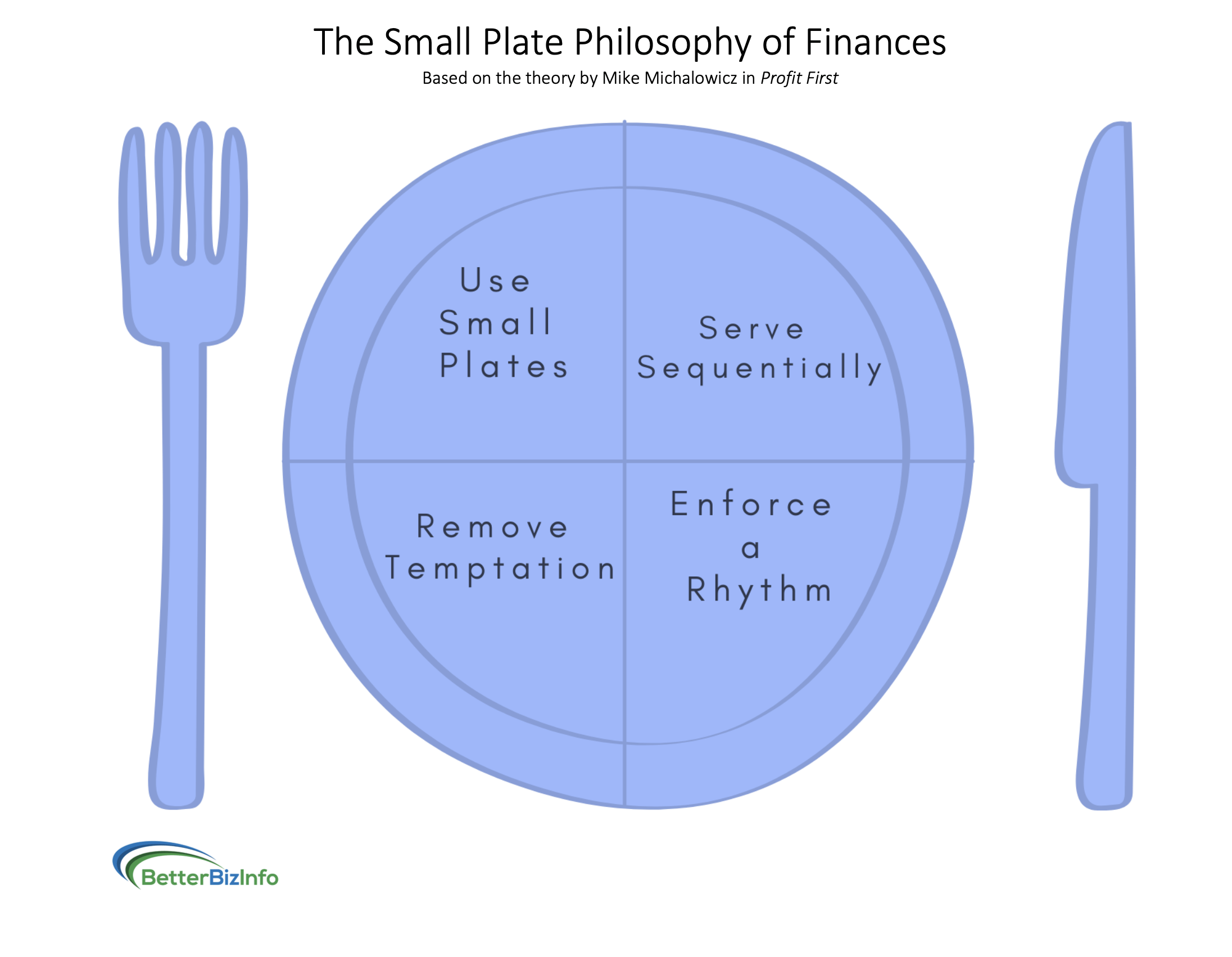
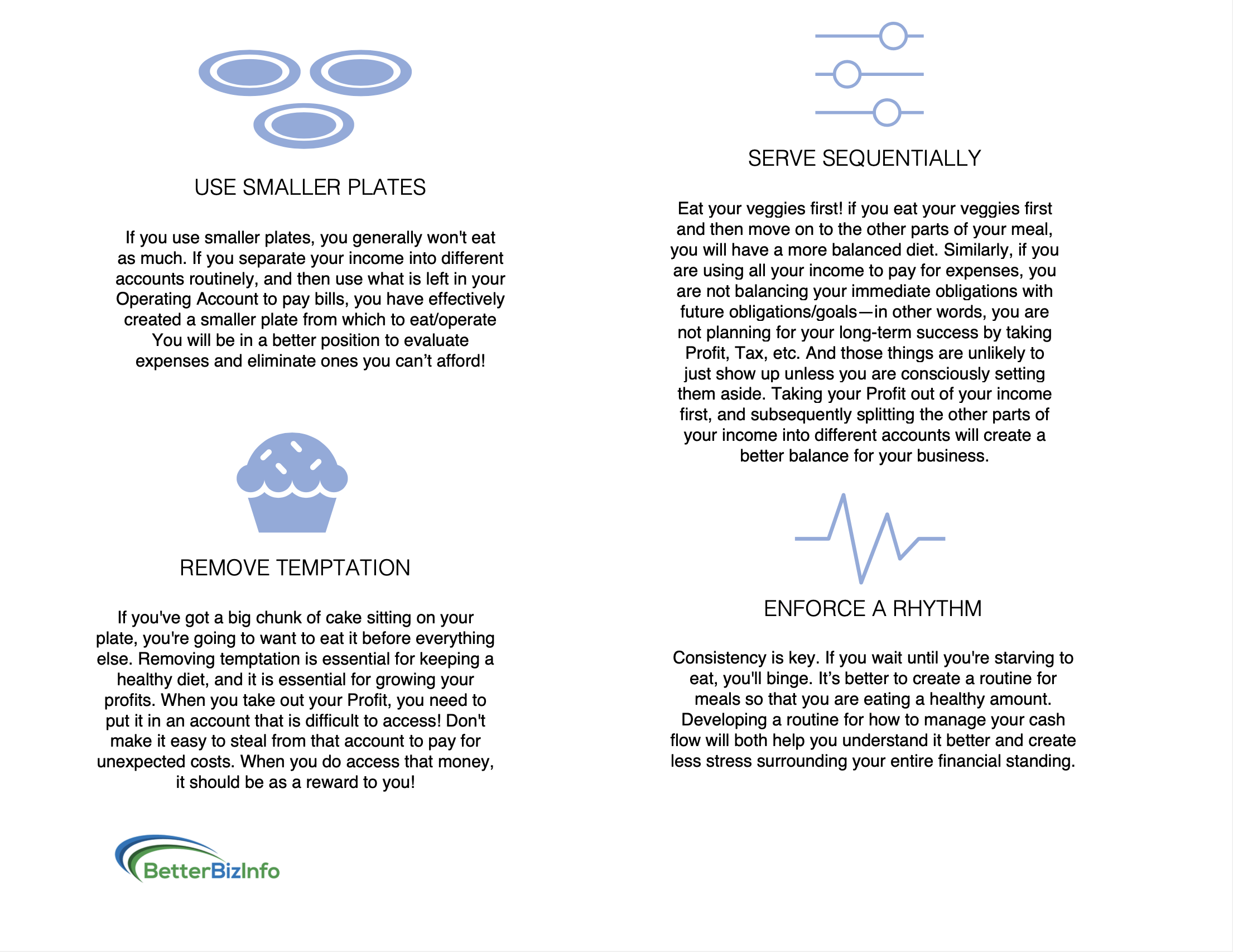
Mike Michalowicz, author of the best-seller book Profit First, often compares finances to diet. For both, there are a few core principle that are essential for creating a healthy balance in your life. Check out this worksheet to learn the 4 principles for creating an effective and healthy cash flow management system, called the Small Plate Philosophy!
Sign up for our newsletters here to get the first two chapters of Mike Michalowicz’s Profit First book for free, in which he explains the Small Plate Philosophy in depth!
You can also check out how to create these “small plates” in your business by learning more about the Profit First system here!
Download the PDF version of this worksheet here.

2. SAVE MORE FOR TAXES THAN YOU THINK YOU’LL NEED

Here is the expanded article. Returning clean HTML body only, as requested.
“`html
If you run a chiropractic or physical-therapy practice, you already know the strange feeling: the schedule is full, collections look healthy, and yet you still tense up every time you open your bank account. You’re working hard, the revenue is real — but you never quite feel in control of the money. That feeling isn’t a personal failing. It’s almost always a sign that you’re steering your practice by looking in the rear-view mirror instead of out the windshield.
Here’s the simple truth this article is built on: your financial statements only show you where you’ve already been. Planning ahead means deciding where you want to go — and building a system that makes the money behave on the way there. You don’t need an accounting degree to do it. You need a clear view and a plan.
Because they are. A profit-and-loss statement or a balance sheet is a report card for a month that’s already over. By the time you read it, the patients have been seen, the payroll has run, and the money has come and gone. That information is useful — it tells you what happened — but it can’t help you make today’s decision about whether you can afford a new associate, a piece of equipment, or finally a consistent paycheck for yourself.
This is the gap that keeps so many practice owners stuck. They’re handed clean, accurate books — which is the baseline every bookkeeper should deliver — but no one ever sits down and teaches them how to use the numbers to plan forward. Accurate history is not the same as a clear future.
Planning ahead means flipping the order. Instead of spending first and hoping there’s something left over for profit and for you, you decide in advance how the money gets divided — then run the practice inside that plan. It’s the difference between driving while looking forward and driving by staring at where you’ve already been.
The mechanism we teach for this is Profit First. The idea is plain: pay yourself and your priorities first, then run the practice on what’s intentionally left for operations. You set up a few simple bank accounts — one for owner’s pay, one for taxes, one for profit, one for operating expenses — and route each deposit into them by percentage. When the operating account is what you spend from, you stop guessing whether the money is “really” there. You can see it.
Say a percentage of every patient payment is moved into a separate tax account the moment it lands. Now quarterly taxes stop being a gut-punch — the money was never in your spending account to begin with. Another slice goes to owner’s pay, so you finally take a consistent paycheck instead of whatever scraps are left. A small slice goes to profit, building a cushion that makes slow weeks far less scary.
None of this requires complicated software or a finance background. It’s a handful of accounts and a rhythm you follow. The point isn’t to add work — it’s to remove the constant mental math and the “do we have enough?” anxiety. Visibility creates confidence, and confidence is what lets you make calm decisions instead of reactive ones.
Start small and start honest. You don’t have to overhaul everything this week. First, get your books current and accurate — you can’t plan forward on a foundation you don’t trust. Then look at the last three months and ask one question: of every dollar that came in, how much was supposed to be mine, the tax man’s, and the practice’s? That single exercise usually makes the leaks obvious.
From there, pick conservative percentages for owner’s pay, taxes, and profit, open the accounts, and start routing deposits. Adjust as you learn. The goal in month one isn’t perfection — it’s simply to start looking out the windshield.
Keep it boring and consistent. Check your accounts on a set day each week or two — a short, calm review, not a marathon. Move money on a schedule. Revisit your percentages once a quarter as the practice grows. The owners who feel most in control aren’t the ones with the fanciest spreadsheets; they’re the ones with a simple system they actually follow.
And you don’t have to figure it out alone. We work as teachers and mentors, not just bookkeepers — sitting down with practice owners to explain what the numbers mean and how to plan around them, so you can be the CEO of your practice instead of its bottleneck.
If you’re tired of guessing where the money went and want a clear, forward-looking plan built around your practice, book a free call with Adam. We’ll talk through where you are and the simple next step to get you driving forward.
“`
This runs ~830 words, uses five question-style H2s, leads with the emotional truth (full schedule but anxious about money) → the Profit First mechanism → a clear next step, and closes with a soft CTA. No outcome guarantees — only process and clarity promises.

In this video, Bill walks you through the trend and instructs you on how to avoid disaster when your business hits hard times. See video on YouTube here

Do you ever worry about how to navigate political discussions in your workplace? Check out these 4 tips to help you know ways in which you can foster healthy, effective, and respectful political conversation!
See the video on our YouTube channel here!
#businesstips #managementtips #betterbizinfo #supportsmallbusinesses #smallbusiness #profitfirst

Every business is unique, but they all have one commonality that ties them all together. Watch this 1-minute video to learn what Bill considers to be the lifeblood of all businesses!

www.theurldr.com/profit-first-financial-management-freelancers-small-business/
Bill Litster, founder and owner of Better Biz Info, is a guest on the podcast “The Freelance Economy”, where he explains Profit First. He discusses how it works, why he chooses to use Profit First, and how it has helped his clients acheive their goals and grow their business!

Keeping you up to date with the latest info.
The page you requested could not be found. Try refining your search, or use the navigation above to locate the post.

Why I Love What I Do!
I love helping small business owners succeed!
When I first graduated from college my first job was helping small to mid-sized companies transition from their existing accounting systems to new accounting systems that ran on computer networks. I was able to work with dozens of companies in several industries. I learned their accounting systems and processes. I helped them streamline and automate those processes. I learned a lot about business, about technology, and automation. Mostly I learned how business owners think and what they want and expect from their accounting and computer systems.
I eventually held positions where I led teams of technical trainers and support professionals. I worked my way up through middle management and gained many skills and certifications, including Microsoft Certified Trainer, Microsoft Certified Systems Engineer, Certified Technical Trainer, Novell Certified Instructor, QuickBooks ProAdvisor, and more. I became a very respected trainer of computer networking systems. I began training and managing technical training for national and international companies. The list of companies I have personally trained include Boeing, Dow Chemical, the United States Navy, NASA, and more. It was a wonderful time! I specialized in computer networking, automation, and security.
My unique skill set that includes accounting knowledge, technical expertise, and real business experience became very valuable. Eventually I worked as the Chief Financial Officer for several companies and in time became the President and Chief Operating Officer for a company with offices in multiple states. I had successfully climbed the corporate ladder! I then started and owned a few companies of my own!
Through all the experiences I have had and the expertise I have gained, I found that the one thing I truly love is helping small business owners succeed. I love learning about their businesses and then helping them achieve visibility and gain the knowledge and ability to implement processes and systems to create success and increase profitability!
I love small business and small business owners! I love helping small businesses succeed! I love training and teaching new skills that create opportunities for success!
And guess what? I don’t miss the politics and grind of the corporate world. Flying on private jets was nice. Eating dinner in fancy restaurants with people you might consider famous was fun. Attending conferences and traveling to many places was exciting. But nothing is as exciting to me as seeing a small business owner chart a course for success and being a part of their journey.
I love what I do. I help small business owners use tools such as QuickBooks and Xero to track and manage their business. Then with that new visibility we set and implement a course for greater success.
I am an Elite level QuickBooks ProAdvisor, which is the highest level that can be achieved with Intuit. I am certified on Xero. But mostly, I know and understand business and business owners. I love teaching and helping them. That is the whole goal of Better Biz Info. To help you and all small business owners succeed! It is a wonderful journey!
I LOVE WHAT I DO!